4 Reasons that Storm-Damaged Trees Should Be Assessed by an Arborist
Ingram's Tree Service • September 14, 2025
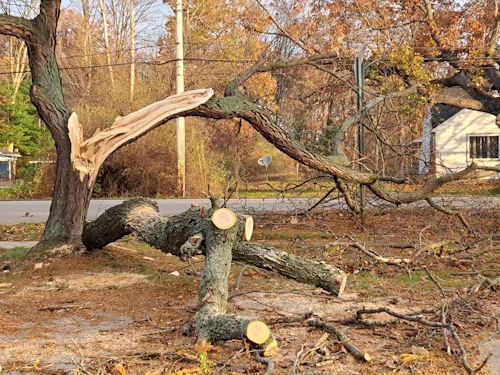
Tree with large broken branch lying on ground after storm. Road, autumn foliage in background.

When powerful storms roll through, trees often take the brunt of the impact. Strong winds, heavy rain, and lightning can leave even the healthiest tree weakened or unstable. While some damage may look minor at first glance, underlying structural issues could pose serious risks to your property and safety. This is why it’s so important to have an arborist evaluate storm-damaged trees. At Ingram's Tree Service, our local arborists can assess storm-damaged trees and determine the proper course of action. Here are four reasons that storm-damaged trees should be evaluated by an arborist.


Hidden Structural Weaknesses

After a storm, a tree might look relatively intact, but internal damage isn’t always obvious. Cracks in the trunk, weakened branches, or compromised root systems may not be immediately visible to the untrained eye. An arborist knows what to look for and can assess whether a tree is safe or in danger of failing later on. Catching these weaknesses early can prevent sudden collapses that could lead to injury or property damage.


Risk of Falling Limbs

Even small branches broken or weakened during a storm can become dangerous hazards. A hanging or cracked limb could fall at any time, especially during the next strong gust of wind. Arborists are trained to spot these unstable limbs and safely remove them before they pose a greater threat. This is particularly important for trees near homes, driveways, sidewalks, or utility lines.


Prevent Long-Term Decline

Storm damage doesn’t just create immediate risks—it can also set a tree on a slow path of decline. Torn bark, open wounds, or damaged roots can make the tree more susceptible to pests, diseases, and decay. An arborist can provide treatments or pruning techniques that encourage proper healing, helping the tree recover and remain strong for years to come.


Expert Guidance on Tree Removal or Preservation

Not every damaged tree needs to be removed. In many cases, an arborist can recommend techniques to restore stability and preserve the tree. In other cases, removal may be the safest option. With professional guidance, you’ll know whether your tree can be saved or if it should be taken down before it becomes a serious danger.


Arborist in High Point, NC

When you need tree care in High Point and the surrounding area, contact Ingram’s Tree Service at (336) 471-4934. We provide expertise with both residential and commercial tree services in High Point. Feel free to give us a call to request a local arborist estimate!
By Ingram’s Tree Service • October 15, 2026
Strong winds can place tremendous stress on trees, particularly those that are already weakened by disease, structural damage, root problems, or age. While it’s impossible to predict exactly how a tree will respond to a severe storm, certain warning signs may indicate increased risk of failure. Identifying these conditions early gives you an opportunity to have the tree professionally evaluated before high winds create a very dangerous situation. At Ingram’s Tree Service, we provide expert hazardous tree removal in the greater High Point area. Here are four indications that a tree may be especially prone to toppling during severe weather. A Noticeable or Recently Developed Lean A tree that leans significantly may have an increased risk of falling, especially if the lean has developed recently. Changes in soil conditions, root damage, erosion, and structural problems can affect a tree's stability. Pay particular attention when a leaning tree is positioned near your home, vehicles, or walkways. Exposed or Damaged Roots Healthy roots help anchor a tree securely in the ground. Roots that are exposed, broken, decaying, or damaged can reduce a tree's stability. Construction activity, soil erosion, flooding, and disease can all affect the root system. If you notice soil lifting or cracking around the base of a tree, an arborist should evaluate the condition before the next major storm. Signs of Decay or Disease Disease and decay can weaken a tree from the inside, sometimes without obvious external symptoms. Fungal growth, hollow areas, extensive dead branches, peeling bark, and significant canopy decline can all warrant closer inspection. A weakened tree may have less structural strength than it appears to have, increasing concerns during periods of strong wind. Splits in the Trunk Large cracks, deep splits, and cavities in the trunk can compromise a tree's structural strength. These issues may become particularly concerning when strong winds place additional pressure on the trunk and canopy. Although not every crack means a tree is destined to fall, significant trunk damage should be professionally inspected to determine whether taking action is necessary. Hazardous Tree Removal in High Point, NC For expert hazardous tree removal in High Point and the surrounding area, contact Ingram’s Tree Service at  (336) 471-4934  . Feel free to give us a call to arrange a local arborist estimate!
By Ingram's Tree Service • September 14, 2026
Severe weather can leave trees with broken branches, damaged trunks, exposed roots, and weakened structures. Unfortunately, some storm damage isn't obvious from the ground, and a tree that appears stable may still pose a serious hazard. Having an arborist inspect storm-damaged trees can help identify hidden problems and decide what should be done next. At Ingram's Tree Service, our local arborists can evaluate storm-damaged trees and determine the right action to take. Here are four important reasons to have an arborist evaluate trees after a major storm. Identify Hidden Structural Damage Storms can cause splits, internal damage, and weakened branch attachments that aren't always easy to see. A tree may remain standing even though its structural integrity has been compromised. An arborist has the training to evaluate the trunk, major limbs, root system, and branch connections for potential hazards. Identifying hidden damage can help determine whether pruning, removal, or additional monitoring is appropriate. Reduce the Risk of Falling Branches Broken and partially detached branches can become dangerous after a storm. Even limbs that remain attached may be weakened and could fall later because of wind, rain, or other additional stress. An arborist can identify hazardous branches and recommend appropriate pruning or removal. Addressing these problems promptly can reduce risks to people and property. Assess Root and Soil Damage Heavy winds can place tremendous stress on a tree's root system. Storms may expose roots, disturb surrounding soil, or cause a tree to shift or lean. Root damage can compromise stability even when the canopy appears relatively intact. An arborist can evaluate the tree's base and surrounding ground to determine whether the tree remains stable and what steps may be necessary to address the damage. Determine Whether a Tree Can Be Saved Not every storm-damaged tree needs to be removed. Depending on the extent of the damage, some trees may be capable of recovering with proper care. An arborist can assess the tree's overall condition and determine whether selective pruning or other treatments may allow it to remain in place. Professional evaluation can help homeowners avoid unnecessary removal while still addressing legitimate safety concerns. Arborist in High Point, NC When you need tree care in High Point, NC and the surrounding area, contact Ingram’s Tree Service at  (336) 471-4934  . We provide expertise with both residential and commercial tree services in High Point. Feel free to give us a call to ask for a local arborist estimate!
By Ingram’s Tree Service • August 15, 2026
Because tree removal involves specialized equipment and potentially hazardous conditions, many property owners have questions about the process before scheduling service. Understanding what professional tree removal entails can help you make informed decisions. At Ingram’s Tree Service, our local arborists are happy to answer your questions about tree removal in the greater High Point area. When Is Professional Tree Removal Necessary? Professional tree removal is recommended when a tree poses a safety risk or can no longer be preserved. Common reasons include severe storm damage, extensive decay, significant leaning, disease, insect infestations, or root damage that compromises stability. Trees growing too close to homes, garages, utility lines, or other structures may also require removal if they threaten nearby property. A qualified tree professional can evaluate the tree and determine whether removal is the most appropriate solution. Why Should I Hire a Professional Instead of Removing the Tree Myself? Tree removal is one of the most dangerous types of outdoor work. Even relatively small trees can fall unpredictably, while large trees require careful planning and specialized equipment to remove safely. Professional tree removal companies have the experience, safety training, and equipment needed to dismantle trees in a controlled manner. Hiring professionals greatly reduces the risk of injury and property damage. What Happens to the Tree After It's Removed? Removal typically includes debris cleanup as part of the service. Branches, brush, and trunk sections are hauled away or processed into wood chips. Depending on your preferences, larger logs may be cut into firewood and left on the property. Can the Stump Be Removed at the Same Time? Yes. You can also opt for stump grinding or complete stump removal. Eliminating the stump reduces tripping hazards, discourages insect infestations, and prevents new sprouts from growing. Removing the stump also makes it easier to plant grass, install landscaping, or use the area for other outdoor improvements. Where Can I Find Professional Tree Removal in High Point, NC? For expert tree removal in High Point and the surrounding area, contact Ingram’s Tree Service at  (336) 471-4934  . Feel free to give us a call to ask for a local arborist estimate!
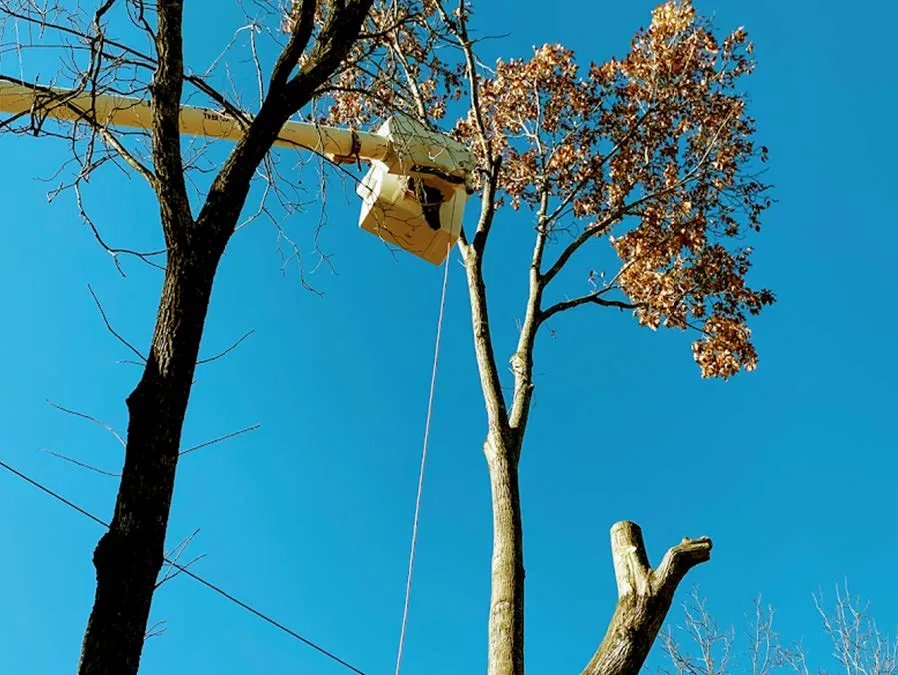
Tree trimmer in a bucket lift pruning tall trees against a bright blue sky
By Ingram’s Tree Service • July 13, 2026
Protect your commercial property with expert arborist evaluations. Identify risks & enhance value with Ingram’s Tree Service.
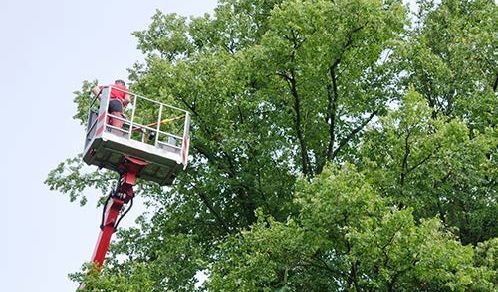
Worker in a red cherry picker trimming a tall green tree
By Ingram’sTree Service • June 15, 2026
Prepare your trees for hurricane season with expert pruning & health assessments. Contact Ingram’s Tree Service today!
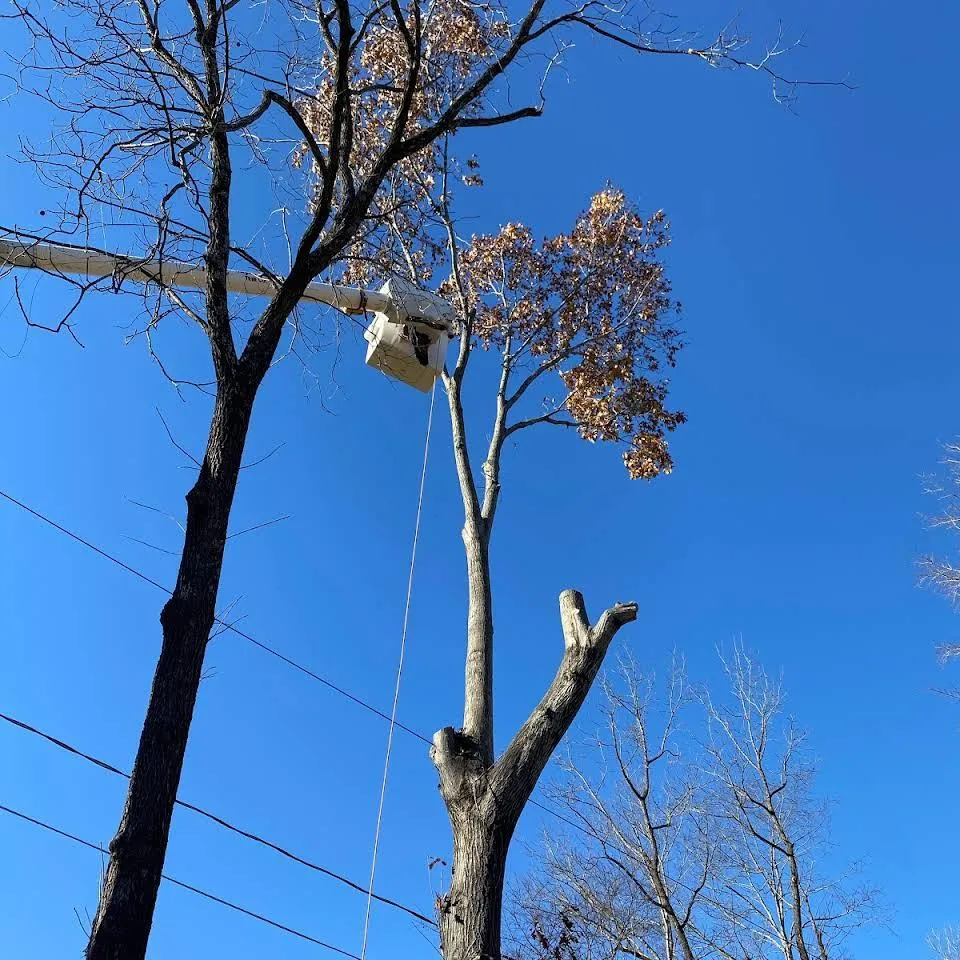
Tree trimmers in a bucket lift pruning tall bare trees against a blue sky
By Ingram’s Tree Service • May 14, 2026
Identify signs of a dying tree & when to call for help. Ingram’s Tree Service provides expert evaluations in High Point, NC.
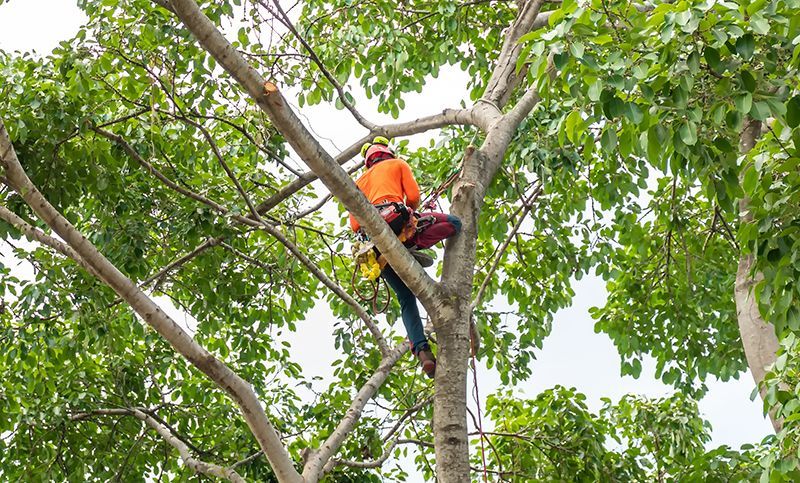
A worker in an orange shirt and safety helmet uses a chainsaw to trim branches high up in a large, green tree.
By Ingram’s Tree Service • April 9, 2026
Read the latest reviews for Ingram’s Tree Service. See how we excel in tree trimming, removal, & stump grinding. Contact us today!
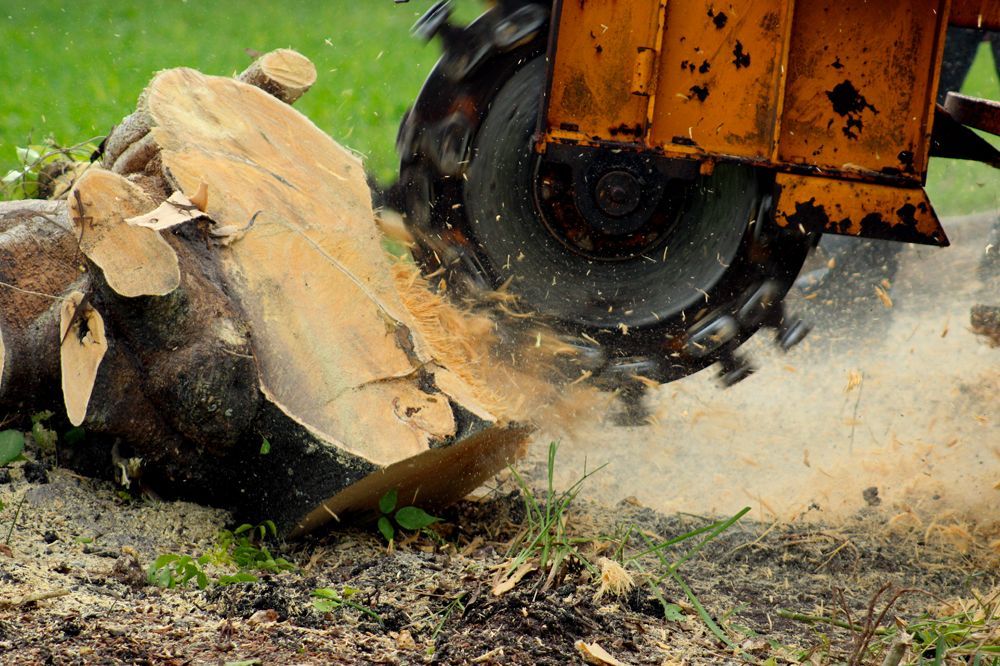
A yellow stump grinder cuts into a large tree stump, throwing wood chips across a grassy area.
By Ingram’s Tree Service • March 16, 2026
Get essential info on stump grinding & removal. Learn about safety & pest control. Contact Ingram’s Tree Service for expert help!
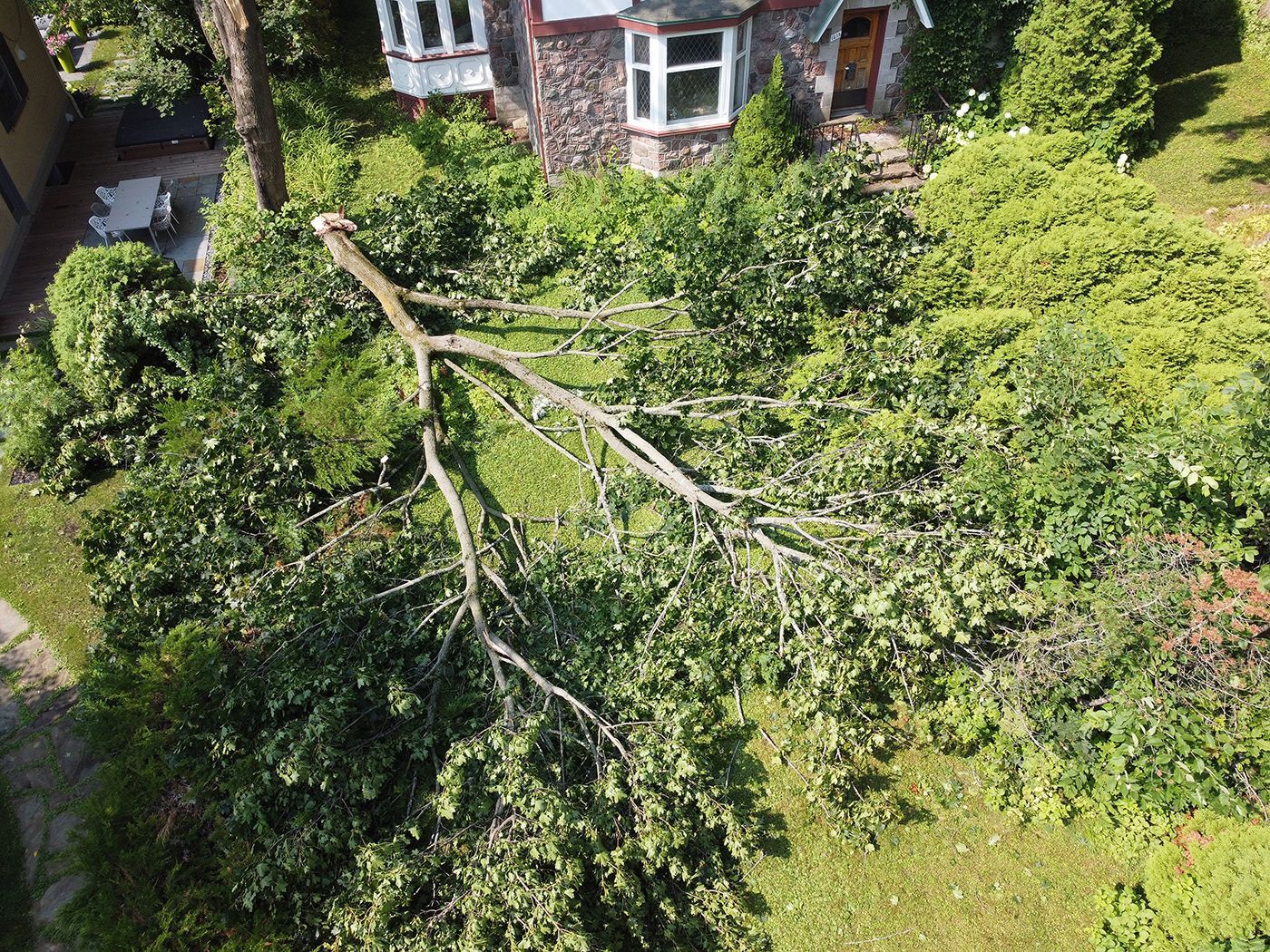
Fallen tree branch on lawn in front of a house, surrounded by bushes and greenery.
By Ingram’s Tree Service • February 14, 2026
Learn about dead tree signs, risks, & removal processes. Contact Ingram’s Tree Service for safe tree removal solutions!
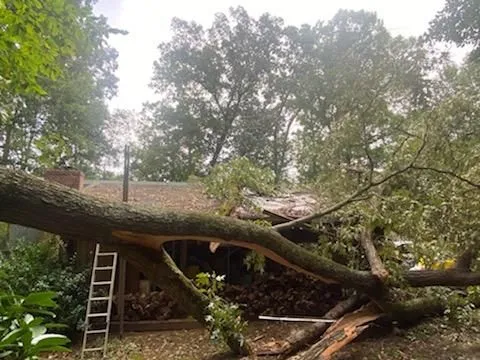
A large tree branch fallen on a house roof. A ladder leans against the building. Cloudy, outdoor setting.
By Ingram’s Tree Service • January 7, 2026
Identify warning signs of hazardous trees threatening your home. Contact Ingram’s Tree Service for expert assessments & safe removal.
Show More